Film

Award-winning AI Films & Original Stories

Sunflowers

2025 | 7’38” | 4K | Color | Korean & English Subtitles

Written & Directed by Yong Jik Lee

  • Best AI Winner (2026), 17th New Media Film Festival® Los Angeles, USA
  • Best AI Film Nominee Cannes World Film Festival

A young boy's journey through a world transformed by AI reveals a hidden truth about history, memory, and survival.

An AI themed narrative exploring technology, identity, and emotional resonance.

Director’s Statement

Sunflowers stems from the question of whether technological advancement will protect human dignity or, conversely, destroy it.

Although inspired by real testimonies from wartime, this film is not an attempt to recreate the past. Instead, it imagines how ethical failures similar to those of the past could reemerge in a future society driven by artificial intelligence, automation, and economic displacement.

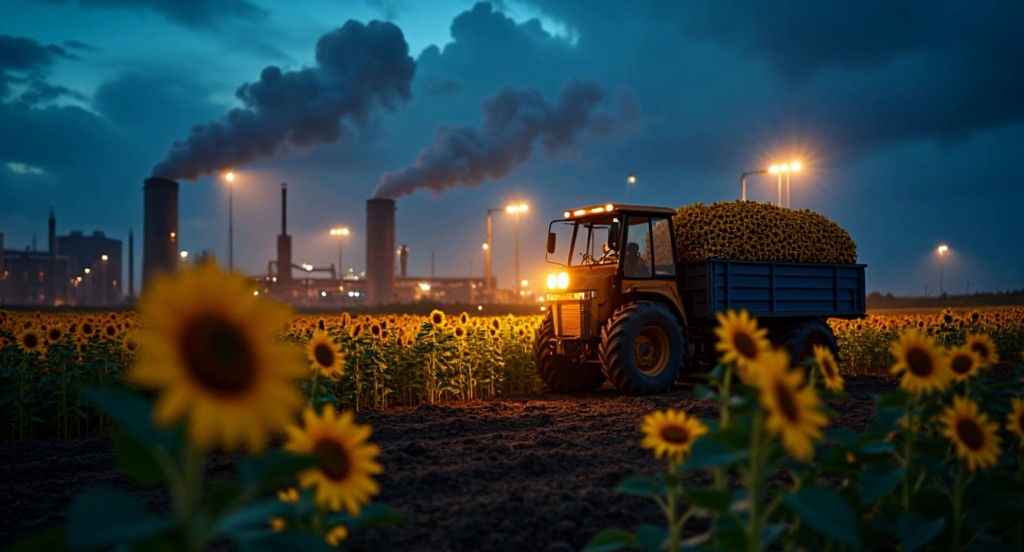
The sunflower serves as a central symbol in the film. The sunflower, which has long symbolized obedience and silence, is reinterpreted in this film as a witness that preserves the memories society seeks to forget until the very end.

Ultimately, Sunflowers asks whether we can preserve human compassion, memory, and moral responsibility while relentlessly pursuing technological innovation.
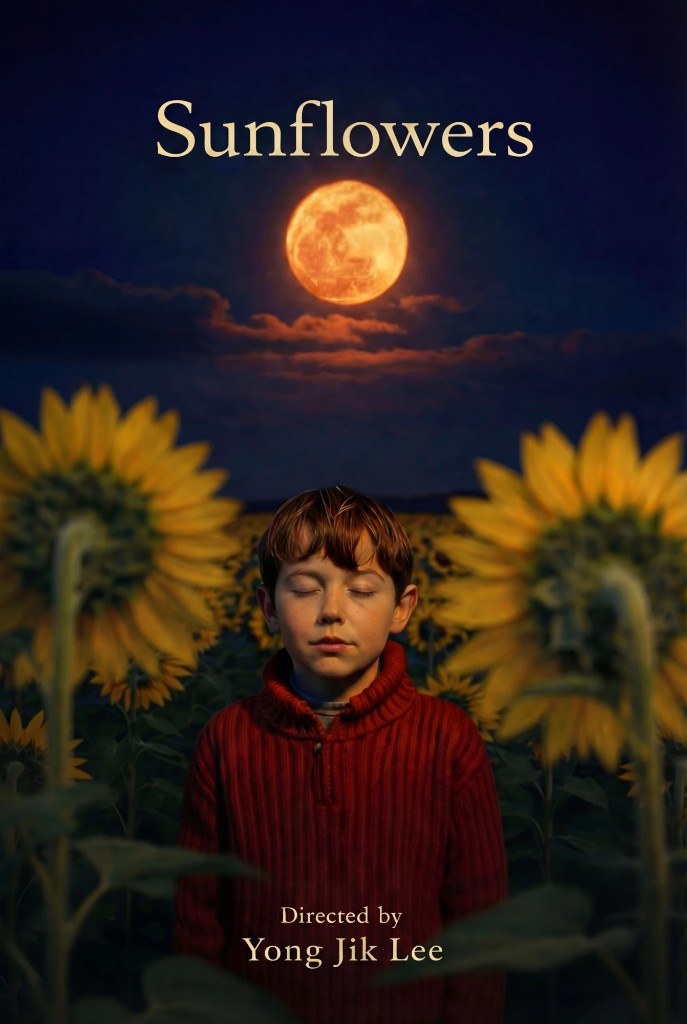
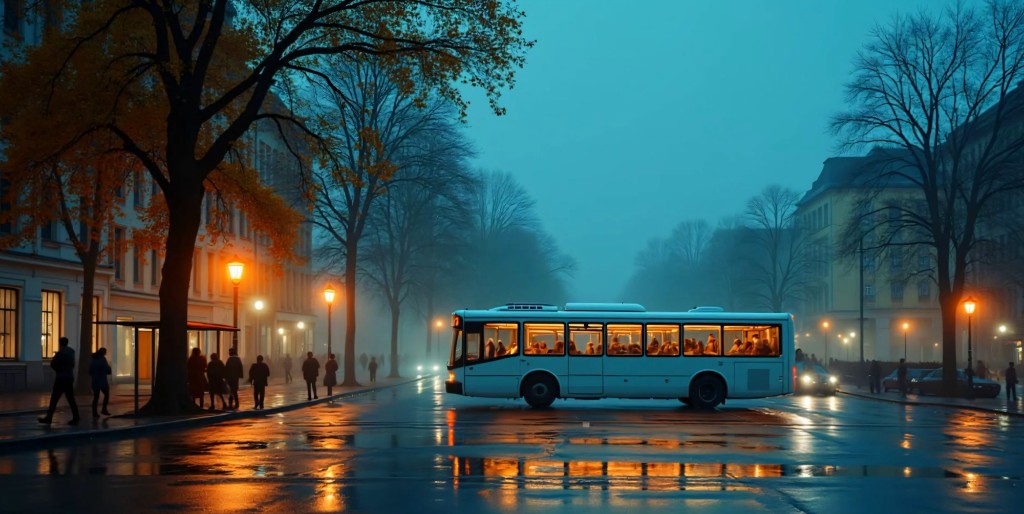
Sunflowers — Directed by Yong Jik Lee
Synopsis

In 2045, artificial intelligence has surpassed human intelligence. Human labor is no longer needed.

Millions of people wander the world, having lost both their purpose and their means of survival. The crisis grows beyond what governments can manage.

Then, a global corporation called Sunflower Corporation announces a massive recruitment campaign. Countless people see it as their last hope and apply.

Among them is Logan, a ten-year-old boy, who sets out with his father in search of a new life. What awaits them is an unsettling truth about history, technology, and the dignity of being human.

Theme & Vision

The film explores the intersection of history, memory, and future ethics through a unique fusion of storytelling and emerging technology. Inspired by forgotten chapters of the past, it reimagines human struggles and institutional failures while asking how we might design a more responsible future. The narrative connects historical events with speculative visions, inviting audiences to reflect on dignity, resilience, and the evolving relationship between humanity and technology.

Historical Inspiration

The film was partly inspired by the testimony of Hideo Shimizu, a former member of Japan's Unit 731, whose account of wartime human experimentation continues to raise urgent questions about memory, responsibility, and the ethical limits of science and power.

Production Notes

Technically, the work is created through a hybrid production pipeline. Approximately 60–70% of the imagery was generated using AI, combined with traditional 3D modeling, digital compositing, and precise editing. AI was not employed as a replacement for creativity, but as a collaborator—expanding visual language and enabling experimental approaches that traditional methods alone could not achieve. Human artistic direction remained central throughout, guiding AI outputs toward a cohesive and emotionally resonant vision.